Types of Dental Bridges and How to Choose the Right One For Your Smile

While there are several ways to restore your smile, a dental bridge remains one of the most reliable solutions in restorative dentistry. However, one size does not fit all. Choosing the right bridge depends on the condition of your surrounding teeth and your long-term oral health goals.
The function of dental bridges
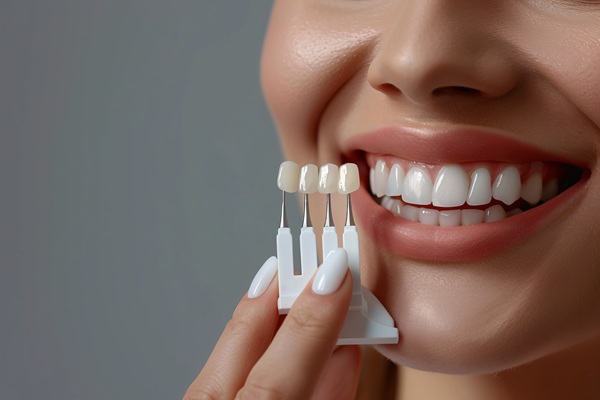
A dental bridge consists of two or more crowns for the teeth on either side of the gap — known as abutment teeth —and a replacement tooth or teeth in between. Dentists can craft these prosthetic teeth, or pontics, from gold, alloys, porcelain, or a combination of these materials. In addition to their cosmetic benefits, dental bridges have functional advantages. They evenly distribute forces while biting and chewing, which helps protect the integrity of the jaw and the remaining natural teeth.
Common types of dental bridges
Modern restorative dentistry offers different bridge designs to solve specific clinical problems. The four most common types of dental bridges include the following:
- Traditional bridges: The most common type of dental bridge. An artificial tooth (pontic) is held in place by dental crowns cemented onto the healthy teeth on either side of the gap.
- Cantilever bridges: Dental professionals recommend cantilever bridges when there is only one anchor tooth on the opposite side of the missing space. While less common today, they are useful for specific areas of the mouth that do not endure heavy chewing pressure.
- Maryland (resin-bonded) bridges: A conservative option that uses a metal or porcelain "wing" bonded to the back of the natural teeth. This design avoids the need to reshape the surrounding healthy teeth.
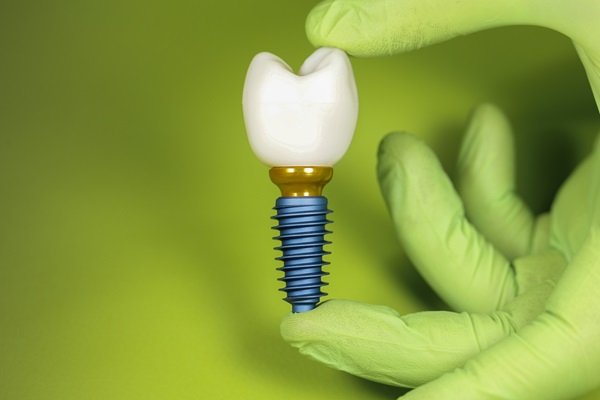
- Implant-supported bridges: The preferred dental solution for multiple missing teeth in a single arch. Instead of relying on the natural teeth for support, this bridge is anchored by titanium implants placed directly into the jawbone.
Whether the patient has healthy teeth on both sides of a gap or no teeth at all, there is a configuration designed to meet a variety of dental needs.
Factors to consider when choosing a dental bridge
When selecting a dental bridge, it begins with a thorough evaluation. The dentist will assess the health of the surrounding teeth and the density of the jawbone. They will assess the number of missing teeth and their specific locations in the mouth. Additionally, the dentist will consider the patient's overall health and the stability of the potential abutment teeth to ensure they can effectively support the bridge. The patient can also mention any cosmetic preferences regarding the material, such as porcelain or ceramic, which can affect both the appearance and feel of the prosthetic.
Longevity and aftercare
A well-crafted dental bridge is an investment. With consistent home care and regular professional cleanings, most bridges last between 10 and 15 years. Because the bridge is a fixed artificial tooth, the patient will need to pay special attention to the area underneath the artificial tooth. The dentist may recommend specialized flossers or a water flosser to help prevent plaque buildup at the gumline, which is the most common cause of bridge failure.
Take the next step toward a fully restored smile
You do not have to navigate these treatment options alone. If you are ready to fill the gap in your smile and want to know which bridge is best for your unique situation, the Dental Partners Dickson team is here to help. Call our Dickson today office to schedule a consultation.
Request an appointment here: https://dicksonfamilydental.com or call Dental Partners Dickson at (615) 931-4088 for an appointment in our Dickson office.
Check out what others are saying about our dental services on Yelp: Dental Bridges in Dickson, TN.
Related Posts
A porcelain fixed bridge is outstanding as a dental restoration that can replicate the appearance and function of natural teeth. The dental bridge is an option to consider when seeking to replace one or multiple teeth that are damaged or lost. A dentist can design the porcelain fixed bridge to mimic the look of natural…
A dental bridge can replace a missing tooth or a row of missing teeth. This dental restoration can prevent you from experiencing the complications of tooth loss. Knowing this treatment better can help you prepare for your next visit. Here are some dental bridge benefits that you must consider.Teeth have roots that anchor them to…
Root canal therapy is often the final step in saving a severely damaged or infected tooth. However, in most cases, a general dentist will recommend placing a dental crown after root canal therapy to contribute to your long-term oral health. This restoration strengthens and protects the treated tooth, helping the tooth to maintain its function,…
A person’s smile is one of the first things that they show off to the world, and a dental crown is one way to bolster that smile and restore teeth that may have sustained damage or blemishes. Dental crowns look similar to natural teeth, so no one will be able to tell at a glance…